.webp?width=200&height=114&name=2x-Packleader-logo-large%20(1).webp "2x-Packleader-logo-large (1)")

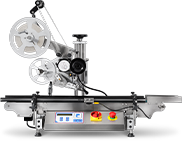
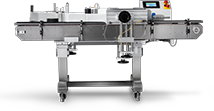
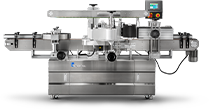
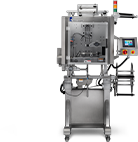

Search "automatic capping systems manufacturers" and you'll get a list of names. What you won't get is any help deciding which one actually fits your line. That's the wrong starting point anyway. The manufacturer matters, but only because of what stands behind the equipment: engineering support, changeover speed, reliability history, and whether the system can grow with your production instead of getting replaced in three years.
This guide walks through the main types of automatic capping systems on the market, what separates a manufacturer worth trusting from one that just sells hardware, and how to evaluate your options before you commit capital to a line-level change.
What an Automatic Capping System Actually Does
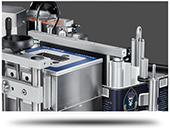
An automatic capping system applies, tightens, and seals caps, lids, or closures onto containers without an operator manually placing or torquing each one. Depending on the design, it can handle screw caps, snap caps, lug caps, or ROPP closures, and it's usually positioned directly after filling in the packaging line.
The job sounds simple. In practice, capping is one of the more failure-prone steps on a packaging line, because it depends on consistent torque, cap orientation, and container handling across every SKU running through it. That's why the manufacturer's engineering, not just the machine's spec sheet, tends to determine how well a system performs once it's actually running production.
The Main Types of Automatic Capping Systems
Most automatic capping equipment on the market falls into four categories. Each one fits a different production reality.
Semi-Automatic Integrated Units
These systems automate the capping action itself, tightening and sealing the cap, while a person still places containers into the machine or feeds caps manually. They're a common entry point for plants moving off fully manual capping without committing to a full inline system.
Best fit: lower-volume runs, plants testing automation on one line before scaling, operations with frequent SKU changes that don't yet justify a fully automated feed.
Rotary Monobloc Systems
Rotary systems combine filling and capping (sometimes labeling too) into a single rotating platform, moving containers through each station on a turret. They're built for continuous, high-speed runs and tend to have a smaller footprint relative to their output.
Best fit: high-volume single-format or low-SKU-count production, plants where floor space is limited relative to throughput needs.
Inline Automatic Systems
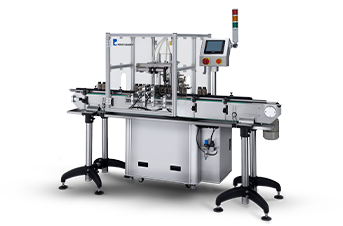
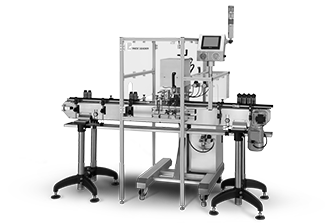
Inline capping equipment moves containers in a straight line through independent capping heads. Because the stations aren't tied to a single rotating platform, inline systems are generally easier to integrate into an existing line and easier to service without shutting down the entire system.
Best fit: plants that need to fit capping into an established line layout, operations running a moderate to high SKU mix, teams that prioritize serviceability and uptime over raw footprint efficiency.
Modular Integrated Configurations
Modular systems are built to expand. A plant might start with a standalone capping module and add filling, labeling, or additional capping heads later as volume grows, without replacing the original investment.
Best fit: growing manufacturers who need capacity now but don't want to lock in a fixed configuration, plants where SKU count and volume are both expected to increase over the next few years.
If you're still weighing filling against capping as separate decisions, 8 Factors in Choosing Filling and Capping Systems breaks down how the two should be evaluated together rather than as separate purchases.
What to Evaluate in a Manufacturer, Not Just a Machine
A capping system is only as good as the company that built it and the support behind it once it's installed. Here's what actually separates manufacturers.
Changeover speed. If your plant runs more than one SKU, ask how the system handles size and cap-type changes. A manufacturer who can't answer this specifically, with real changeover times, hasn't tested the equipment against a realistic production schedule. 7 Signs Your Packaging Line Is Inefficient Due to Too Many SKUs covers how SKU proliferation quietly erodes line output if changeover isn't designed for.
Integration with your existing line. Very few plants are replacing an entire packaging line at once. A manufacturer should be able to explain how their capping system connects to your current filler, conveyor, and labeling equipment, not just how it performs in isolation.
Reliability and uptime track record. Ask for real production references, not just spec sheet claims. A system that jams frequently or requires constant recalibration will cost more in downtime than it saves in labor.
Support and parts availability. When a capping head fails at 2 a.m., how fast can you get a replacement part or a technician? Domestic manufacturers with in-house engineering support typically respond faster than overseas suppliers routing service requests through a distributor.
Modularity for future SKUs and volume. If your production is growing, ask whether the system can add capacity or handle new formats later, or whether you'll be back in the market for new equipment in two years. 7 Things to Know About Integrated Filling and Capping goes deeper on what "integrated" should actually mean in a manufacturer's design, versus a marketing term.
If you're building an evaluation checklist before talking to vendors, 9 Questions Before Buying Filling and Capping Systems lays out the specific questions worth asking every manufacturer on your shortlist.
Comparing Capping System Types
| System Type | Throughput Fit | Changeover Speed | Best-Fit Plant Size |
|---|---|---|---|
| Semi-automatic integrated | Low to moderate | Fast (manual feed limits ceiling) | Small plants, early automation stage |
| Rotary monobloc | High, best for low SKU variety | Moderate | Mid-to-large plants with stable formats |
| Inline automatic | Moderate to high | Fast with proper tooling | Mid-sized plants with SKU variety |
| Modular integrated | Scales with configuration | Fast, designed for changeover | Growing plants planning future expansion |
For a closer look at how these tradeoffs play out for a specific plant size, Best Filling and Capping Systems for Mid-Sized Plants walks through the decision in more detail, and Best Filling and Capping Systems for Fast Changeovers focuses specifically on plants where changeover time is the primary constraint.
Common Questions
What's the difference between rotary and inline capping systems?
Rotary systems move containers around a rotating turret, combining multiple production steps into one compact platform built for high-speed, low-variety runs. Inline systems move containers in a straight line through independent stations, which generally makes them easier to service and integrate into an existing line, especially when SKU variety is a factor.
How much does an automatic capping system cost?
Cost depends heavily on system type, throughput requirements, and how much of the line needs to integrate with existing equipment. Semi-automatic units represent a lower entry point, while rotary monobloc and modular integrated systems require a larger upfront investment tied to their higher throughput and expansion capability. Get a quote based on your specific SKU mix and volume rather than comparing sticker prices across system types.
Can automatic capping systems integrate with an existing filling line?
In most cases, yes, particularly with inline and modular systems designed for that purpose. The key is confirming container handling compatibility, conveyor speed matching, and control system integration with your manufacturer before purchase, not after installation.
How do I know if my plant is ready to automate capping?
Common signals include rising labor costs tied to manual capping stations, inconsistent torque or seal quality showing up in quality control, changeover times that are eating into production hours, and SKU counts that have outgrown what manual capping can reliably handle.
Signs It's Time to Evaluate a New Capping System
- Manual or semi-automatic capping can't keep pace with your filling line's output
- Changeovers between SKUs are consuming more production time than they used to
- Seal or torque inconsistency is showing up in quality checks or customer complaints
- You're adding new container sizes or cap types faster than your current equipment can handle
- Labor costs for manual capping stations are increasing as a share of your packaging budget
If changeover time specifically is the pressure point, Why Changeovers in Automatic Labeling Cost More Than You Think makes the economic case in more detail, and the logic applies just as directly to capping.
Where Pack Leader USA Fits
Pack Leader USA builds automatic capping systems across all four configurations covered here: semi-automatic integrated units, rotary monobloc systems, inline automatic equipment, and modular integrated lines built to expand as production grows. Our equipment is engineered to integrate with existing filling and labeling lines rather than force a full line replacement, with changeover built into the design instead of added as an afterthought.
If you're comparing manufacturers and want to understand how a capping system would fit your specific line, whether that means adding capacity to a current setup or evaluating a modular system built to grow with you, our team can walk through your production requirements and identify the right configuration.
Talk to a Pack Leader USA packaging specialist to evaluate your line.




.webp?width=360&name=2x-color-logo%20(1).webp "2x-color-logo (1)")