.webp?width=200&height=114&name=2x-Packleader-logo-large%20(1).webp "2x-Packleader-logo-large (1)")

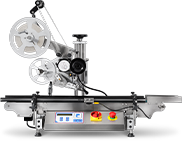
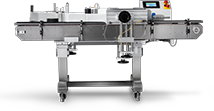
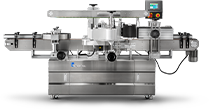
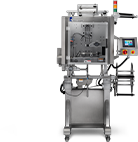
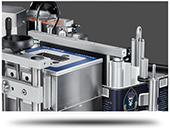
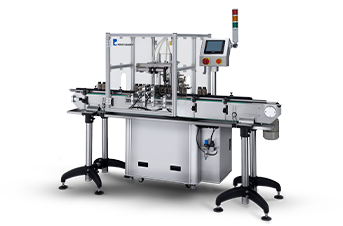
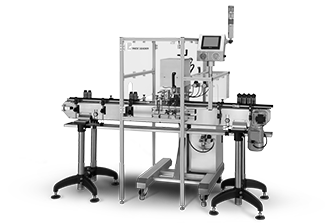
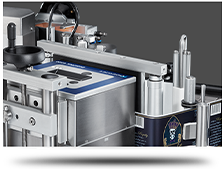

The bottle on the shelf is the first point of contact with your customer. It communicates the quality, identity, and uniqueness of the product within. With packaging playing an increasingly influential role in purchasing decisions, brands must ensure their bottle labels stand out while remaining consistent across every unit produced.
Many businesses grapple with the complexities of bottle labeling, encountering hurdles like adhesion failure, material incompatibility, and production inefficiencies. These challenges can undermine product visibility, weaken brand identity, and hinder scalability. Without an automatic labeling machine, you get inconsistent labeling that affects shelf appeal, can slow production, and create avoidable waste.
Pressure sensitive labels with an automatic labeler machine are a game-changer in bottle labeling by correcting these challenges and helping brands maintain visual consistency and operational performance as production demands increase.
What Are Pressure Sensitive Labels and How Do They Work?
Pressure sensitive labels merge functionality with aesthetic appeal. They are high-tech adhesives that bond to surfaces upon the application of pressure. They do not require heat, water, or solvent to activate, setting them apart from other labeling methods. This simple application process uses technology and materials to ensure bottle labels are applied correctly every time.
In automated labeling systems, pressure sensitive labels work in tandem with label applicators that dispense and apply each label with precision and consistency. This combination allows you to maintain accurate placement, reliable adhesion, and steady production speeds, making pressure sensitive labels well-suited for high-volume and growing operations.
Why Pressure Sensitive Labels Outperform Traditional Methods
Compared to glue-applied or heat-applied labeling methods, pressure sensitive labels offer clear advantages. As production lines move faster and product variations increase, traditional methods often struggle to keep up without introducing mess, waste, or inconsistencies.
Operational advantages include:
- Faster Application: Pressure sensitive labels apply instantly, without drying time or heat activation, allowing higher line speeds.
- Cleaner Operation: No glue residue, stringing, or buildup that can lead to downtime and maintenance issues.
- Reduced Waste: Precise application minimizes mislabels and rejected containers.
- Greater Versatility: Easily adapts to different bottle shapes, materials, and label designs without changing application methods.
Branding advantages include:
- Sharper, more consistent appearance across every bottle
- Improved label alignment and edge definition for a premium shelf presence
- Reliable adhesion across varying environments and storage conditions
These benefits make pressure sensitive labels a more efficient, flexible, and visually consistent solution, especially when paired with automated labeling equipment designed to maximize their performance.
Maximizing Brand Appeal and Versatility

Amplifying Product Visibility and Brand Identity
The first impression can be the deciding factor for a purchase, and pressure sensitive labels excel in making that first impression a memorable one. With their crisp, clear graphics and ability to conform to a variety of bottle shapes and sizes, pressure sensitive labels can transform a simple bottle into a standout product. Their design flexibility allows for full-color designs, intricate patterns, and the inclusion of crucial product information.
The Diversity of Pressure Sensitive Labels
Pressure sensitive labels provide versatility across a wide range of product types and packaging designs. They adapt easily to different shapes, sizes, and materials, making them an effective solution for brands managing multiple SKUs or packaging formats.
Here are a few common pressure sensitive label types:
- Wrap-around Labels provide 360-degree coverage for cylindrical or slightly tapered bottles, maximizing branding space.
- Wine Bottle Labels often use premium materials and finishes to convey quality while withstanding temperature changes and moisture.
- Top and Bottom Labels allow brands to include additional information or branding elements without compromising overall design.
This flexibility gives brands greater creative control while maintaining consistency across product lines.
Sustainability and Material Advancements
As sustainability becomes a growing priority, pressure sensitive labels continue to evolve. Many options now feature eco-friendly face materials and recyclable adhesives designed to support responsible packaging initiatives. These improvements allow brands to enhance shelf appeal while aligning labeling choices with broader sustainability goals.
The Science of Adhesion Made Simple
Adhesion is not merely a matter of sticking a label onto a surface. It is a strategic process that ensures the label adheres to the container and withstands handling, storage, and display. When done correctly, strong adhesion supports long-lasting label performance, protects product presentation, and reinforces brand reputation throughout the product’s lifecycle.
Several key factors influence how well pressure sensitive labels adhere, and understanding these variables helps you achieve reliable, consistent results across different applications.
Bottle Material
The composition of the bottle plays a major role in adhesive performance. Each material has different surface characteristics, which affect how well an adhesive bonds. Selecting the right adhesive ensures proper coverage and long-term adhesion, even on challenging surfaces.
Label Material and Flexibility
Label materials must be flexible enough to conform to the contours of the bottle. Bottle labels that are too rigid may lift at the edges or fail to maintain consistent contact, especially on curved or tapered containers. Flexible materials help maintain full contact and reduce the risk of peeling over time.
Environmental Conditions
Temperature, humidity, and exposure to moisture can all impact adhesion. For example, labels used on chilled beverages or products stored in refrigerated environments require moisture-resistant adhesives to prevent peeling or bubbling caused by condensation.
By aligning bottle material, label flexibility, and environmental conditions, you can ensure pressure sensitive labels remain securely in place.
Avoid Common Labeling Problems
Labeling a product might seem straightforward, but there are potential pitfalls. Bubbling, wrinkling, and misalignment are the most common issues you could face. Addressing these challenges early helps protect label appearance, maintain brand integrity, and reduce rework on the production line.
Bubbling
Bubbles form when air becomes trapped under the label during application, creating visible bumps that distort the label’s appearance.
- Use label materials that conform well to the bottle’s contours
- Ensure proper application pressure to push air out during placement
- Select bubble-free or air-release adhesives designed to reduce trapped air
Wrinkling
Wrinkling often results from a mismatch between label material and container shape, or from improper application conditions.
- Match label flexibility to the bottle’s curvature
- Use soft, pliable materials for curved or tapered containers
- Maintain correct label tension during application, especially on automatic labeler machines
- Store labels in a controlled environment to avoid humidity-related expansion or contraction
Misalignment
Crooked or off-center bottle labels disrupt visual symmetry and reduce shelf appeal.
- Adjust guides to match bottle size and label dimensions
- Perform routine maintenance to prevent equipment drift
- Ensure operators are trained on proper setup and adjustment procedures
Identifying the root cause of these issues and applying the right adjustments can help you maintain clean, consistent label application and avoid common disruptions to production and presentation.
How Pressure Sensitive Labeling Machines Improve Efficiency
While pressure sensitive labels play a critical role in appearance and adhesion, bottle labeling machines are what unlock their full operational value. When paired with the right equipment, pressure sensitive labels can be applied quickly and consistently, without disrupting the rest of the packaging line.

Pressure sensitive bottle labeling machines are designed to integrate seamlessly with existing filling and capping systems. As bottles move from filling to sealing, labeler machines apply each label with precise timing and placement, maintaining steady product flow and reducing the need for manual handling. This helps eliminate bottlenecks and ensures each stage of the line operates in sync.
Pressure sensitive labeler machines offer several efficiency advantages, including faster application speeds, repeatable accuracy, and intuitive adjustments for changeovers. Their ease of use allows operators to maintain consistent output with minimal downtime, while modular designs support scalability as production volumes increase.
Selecting the Right Labeling Equipment
When evaluating a bottle label applicator, several features stand out as particularly beneficial for maintaining efficiency, consistency, and long-term performance.
5 Key Features of a Top Bottle Labeling Machine
- Speed and efficiency are critical, as a labeler’s output, often measured in bottles per minute (BPM), directly impacts overall production throughput. It’s important to consider current production needs and potential future growth when assessing speed requirements.
- Versatility is another major factor. Equipment that can accommodate a range of bottle sizes, shapes, and label types offers greater flexibility as product lines evolve.
- Precision plays a vital role in minimizing waste and ensuring a professional appearance. Highly accurate label placement helps maintain consistent branding while reducing rework and rejected products.
- Ease of use also matters. User-friendly interfaces, quick setup, and straightforward changeovers help reduce downtime and keep production moving efficiently.
- Durability is essential for long-term value. A quality bottle labeling machine is built to withstand continuous operation, making it a dependable investment for growing production environments.
Comparing Common Labeler Types
Bottle labeling machines vary in capability and complexity, making it important to understand how each option fits different production needs.
- Manual Labeling: Typically used in startups or low-volume operations, manual labeling requires hands-on operator involvement and can lead to numerous labeling errors.
- Semi-Automatic Labeler Machines: Semi-automatic systems increase speed and consistency while still requiring some manual bottle placement. They provide a balance between efficiency and cost for mid-level production volumes.
- Fully Automatic Labeler Machines: Designed for high-volume production, fully automatic labelers require minimal operator intervention and often include advanced features like integrated printing or vision systems for quality control.
- Wrap-Around Labeler Machines: These machines specialize in applying bottle labels that fully encircle the bottle, maximizing branding space. Wrap-around systems can be manual, semi-automatic, or fully automatic depending on production demands.
Choosing the Right Fit for Your Operation
Selecting the right bottle label applicator depends on several key factors. Production volume should align with the labeler’s capacity, while bottle variety and label types must be considered to ensure compatibility. Budget considerations are another important factor, requiring a balance between upfront investment and long-term gains in efficiency, reduced labor costs, and improved product quality.
.jpg?width=1013&height=506&name=Blog_PressureSensitiveLabeler_900x450%20(1).jpg)
As your business grows, the adaptability and scalability of the right labeler machine become invaluable, supporting continued success.
Scaling for Growth
Growth is an exciting phase for any business, but it introduces new operational challenges, especially when it comes to labeling. A scalable labeling process is essential for maintaining product quality, meeting regulatory requirements, and consistently satisfying customer expectations.
The first step in scaling up is a clear assessment of your current labeling process, including the efficiency of existing equipment, the skill level of your personnel, and how well your setup can adapt to higher production volumes. This evaluation helps identify bottlenecks and opportunities for improvement before they impact output.
As demand increases, manual or semi-automated labeling processes may not be the best solution moving forward. Investing in a more advanced, fully automated bottle labeling machine can significantly increase production capacity while maintaining accuracy and consistency. When properly integrated, automated labeler machines reduce downtime, minimize manual intervention, and support steady, reliable growth.
A scalable labeling solution also delivers long-term value. By improving efficiency and reducing rework, automated systems help maximize return on investment while providing the reliability needed to support expanding product lines and growing market demand.
Building a More Efficient and Scalable Labeling Process
Pressure sensitive labels are a versatile and efficient solution for labeling bottles. They help improve production efficiency, maintain consistent quality, and scale operations without sacrificing brand presentation. When paired with the right labeling equipment, these systems support faster throughput, reliable performance, and long-term adaptability as market demands change.
Choosing the right labeling solution is key to staying competitive. Our free resource, The Practical Guide to Choosing Labeling Equipment, provides deeper insight into selecting systems that align with your production goals and operational requirements.
Ready to upgrade your labeling operations? Schedule a consultation to find the right Pack Leader USA system for your bottle labeling needs and take the next step toward a more efficient, scalable packaging line.




.webp?width=360&name=2x-color-logo%20(1).webp "2x-color-logo (1)")