.webp?width=200&height=114&name=2x-Packleader-logo-large%20(1).webp "2x-Packleader-logo-large (1)")


Efficiency is essential in food packaging. Every second saved adds up to higher output, better consistency, and lower costs. But for some manufacturers, manual handling of trays, clamshell containers, and other food packaging containers continues to create bottlenecks that slow production and increase the risk of errors.
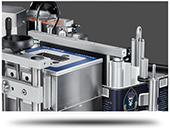
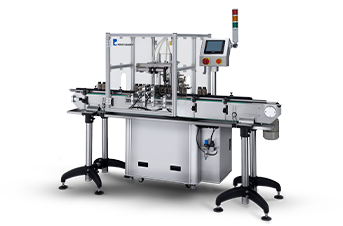
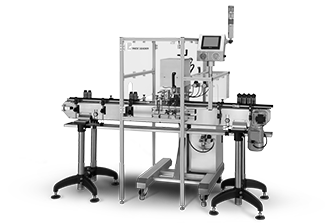
That’s why denesters are a smart investment. A denester machine is a system designed to automatically separate and place trays, clamshell containers, or other containers onto the production line for filling, sealing, or labeling. By automating one of the most repetitive and error-prone steps in the packaging process, denesters free up workers for higher-value tasks.
Let’s explore the top uses for denesters in food packaging and show how they can improve efficiency across your entire operation.
Why Every Food Packaging Line Needs a Denester
Efficiency isn’t always about moving faster. Sometimes, it’s about staying profitable while maintaining quality and compliance. Every delay, misaligned tray, or handling error can slow down the entire operation, creating ripple effects across production, packaging, and distribution.
At the same time, food companies are under increasing pressure. Labor shortages make it difficult to staff every stage of the packaging process, while rising wages increase operational costs. Consumers expect fresh, safely packaged products, so it’s clear why so many producers are looking for smarter, more reliable automation solutions.
Denester machines automate one of the most repetitive and time-consuming steps in the process: separating and placing trays, clamshell containers, or cups onto the line for filling and sealing. By taking over this fundamental task, denesters deliver significant benefits across multiple areas of production.
They help:
- Boost Efficiency: Automatic tray and container feeding keep packaging lines moving without stoppages or slowdowns.
- Reduce Labor Dependency: Fewer workers are needed for repetitive stacking and placing tasks, allowing teams to focus on quality control and maintenance.
- Improve Consistency: Every tray or clamshell container is placed precisely, minimizing misalignment, spills, and jams.
- Enhance Hygiene: Reduced manual handling supports food safety compliance by limiting cross-contamination risks.
The result is a smoother, faster process with fewer errors and less waste. Integrating denesters into the packaging line can be the difference between barely keeping up and confidently scaling production.
Practical Uses for Denesters in Food Production
Denester machines are designed for multiple food packages. These systems automate one of the most tedious steps in production by automatically separating and placing food packaging containers. Denesters help ensure accuracy, maintain speed, and uphold the hygiene standards that food packaging requires.

Trays
Trays are used to package everything from fresh produce and ready meals to baked goods, meats, and deli items. However, as simple as tray handling may seem, it can easily become a bottleneck when done manually. Workers must separate tightly stacked trays, align them precisely, and load them quickly. This process can be difficult to sustain as businesses scale.
That’s why tray denesters have become a crucial part of many production lines. These systems keep lines running smoothly and reduce manual touchpoints.
By removing the need for manual tray loading, denesters:
- Prevent misalignment and jamming that can occur when trays stick together.
- Maintain a steady flow for filling, sealing, and labeling stations.
- Increase speed and consistency, especially vital in high-volume environments where precision impacts efficiency and shelf appeal.
When you use a tray denester, you get a cleaner, faster, and more reliable process that allows packaging teams to focus on product quality and inspection rather than repetitive manual handling.
Clamshell Containers
Clamshell packaging is a staple in the food industry, particularly for fresh produce like berries, salad greens, tomatoes, baked goods, and deli items. These food packaging containers offer excellent product visibility and protection, but present one recurring challenge: static cling. Lightweight clamshell containers tend to stick together, making manual separation tedious.
Denesters eliminate that frustration by automating the entire process. They gently separate each clamshell container and place it onto the production line, ensuring correct alignment for fast and accurate filling.
Denesters solve this by:
- Gently separating clamshell containers and placing them onto the conveyor for filling.
- Ensuring proper opening and positioning for smooth, consistent loading.
- Reducing the risk of damage or contamination caused by manual handling.
For operations packaging fresh produce or bakery goods, denester machines save time and protect your brand’s reputation by ensuring every container is perfectly presented and securely sealed.
Other Food Packaging Containers
Denesters can also handle a wide variety of container styles in food and beverage packaging. This makes them an adaptable, long-term investment for facilities managing multiple product lines or packaging types.
Denesters can handle a range of packaging types, including:
- Cups: ideal for yogurt, sauces, dips, or single-serve desserts.
- Lids: integrate seamlessly with cup denesting for a complete packaging solution.
- Specialty Containers: handle custom or seasonal packaging that requires flexibility and quick changeovers.
This adaptability reduces setup time and improves efficiency when switching between products or formats. Denesters simplify transitions and keep production consistent, even as your product lineup expands.
By integrating a flexible denesting system, manufacturers gain a scalable solution that evolves with changing packaging needs, providing short-term efficiency and long-term operational stability.
The True Value of Denesters
While automation is the most obvious advantage, denester machines help improve the entire packaging process. Denesters help maintain the steady rhythm every production line depends on.

By integrating denesters across multiple stages of food packaging, manufacturers gain several long-term advantages:
- Improved Efficiency and Throughput: Continuous, automated feeding keeps lines moving and reduces downtime. When trays and clamshell containers are placed automatically, every other stage runs smoother and faster.
- Reduced Labor Requirements: Fewer staff are needed for repetitive manual tasks, cutting costs and freeing teams for higher-skill work such as inspection, maintenance, and quality assurance.
- Consistent, Hygienic Handling: Precise automation minimizes product waste and helps meet food safety standards by reducing unnecessary human contact.
- Flexibility for Diverse Packaging: Easily adjust settings or switch between tray, cup, and clamshell container formats to meet changing production needs. This is perfect for businesses with seasonal products or mixed product lines.
Ultimately, denesters strengthen the foundation of your packaging operation. For businesses balancing growth and cost control, denesters offer a scalable way to boost productivity without a complete system overhaul.
Making Denesters Work Within Your Current Workflow
Integrating a denester doesn’t have to mean reengineering your entire production process. In fact, many manufacturers find that adding a denester machine is one of the simplest ways to increase output and reduce manual labor without disrupting daily operations. The key is understanding how the system fits into your existing line.
Before implementing a denester, it’s important to review your current workflow and pinpoint where inefficiencies exist. Manual loading, frequent jams, or inconsistent tray placement are all clear signs your line could benefit from automation.
When integrating denesters, consider:
- Compatibility: Ensure the denester aligns with your existing labelers, fillers, and sealers for a seamless experience and minimal downtime.
- Product Variety: Choose a system that can adapt to your tray, clamshell, or cup dimensions and easily adjust as your packaging changes.
- Scalability: Plan for growth by selecting equipment that’s capable of supporting higher output as demand increases.
Once these factors are evaluated, a trusted packaging equipment partner can help you identify the right model, configure your setup, and train your team for success.
Find Efficiency Through Denesting Automation
Denesters are transforming the way food manufacturers manage packaging. They provide the perfect balance of speed, consistency, and flexibility to help businesses reduce labor costs, improve safety, and keep up with rising consumer demand.
If your production line still relies on manual handling, now’s the time to explore how an automated denester can streamline your process and prepare your operation for growth.
Ready to learn more? Download our free Food Manufacturer’s Guide to Food & Beverage Labeling Equipment for expert insights on optimizing your packaging line for efficiency and compliance.




.webp?width=360&name=2x-color-logo%20(1).webp "2x-color-logo (1)")