.webp?width=200&height=114&name=2x-Packleader-logo-large%20(1).webp "2x-Packleader-logo-large (1)")

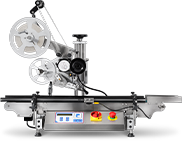
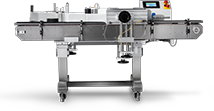
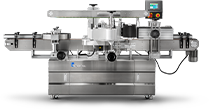
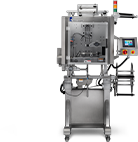

Speed and adaptability are crucial requirements for beverage production. Between seasonal flavors, limited-edition runs, and the explosion of craft beverages (with Grand View Horizon claiming that the U.S. craft market is expected to grow at a CAGR of 7.1% from 2023 to 2030), packaging teams are under pressure to deliver more SKUs, faster, and with flawless consistency.
Yet many production lines still rely on outdated or manual labeling systems that simply can’t keep up. Slow changeovers, inconsistent label placement, and labor-heavy processes create avoidable bottlenecks. Over time, these inefficiencies translate into missed launch deadlines, rising production costs, and damaged brand presentation, especially when label quality becomes the deciding factor on a crowded shelf.
Inline can labeling machines offer a smarter, scalable solution. By automating precise, high-speed label application across multiple can sizes and product variations, they allow beverage companies to improve throughput, strengthen quality control, and keep pace with market demands without rebuilding their entire line.
Why Older Labeling Methods Hold Production Back
As consumer preferences shift faster than ever, labeling processes must be able to keep up. Unfortunately, many traditional or manual label applicators weren’t built for the SKU velocity or volume demands businesses have seen recently.
These older systems often create:
- Operational bottlenecks from slow, manual adjustments
- Higher waste levels due to crooked or misapplied labels
- Longer downtime caused by mechanical limitations
- Inconsistent branding, which weakens shelf appeal and customer trust
To help illustrate the difference, here’s a quick comparison:

Beverage operations need labeling systems that eliminate, not create, production friction, and automatic labeling machines are designed for exactly that.
Solving Packaging Challenges With Inline Labeling
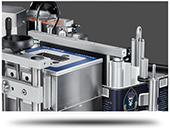
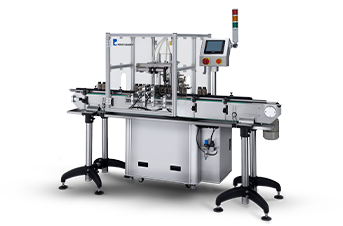
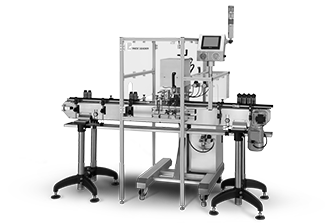
Inline can labeling machines are engineered for high-variation and high-volume, which means they’re a great fit for the beverage market. If you're introducing new seasonal SKUs, switching can formats, or scaling output, these systems offer the agility and precision you need to stay ahead.
Adaptive Versatility
Inline systems can adjust quickly to different can heights, diameters, and label designs, which is ideal for brands juggling multiple product lines. Switching from a 12-oz standard to a 16-oz craft can, or rolling out a holiday edition wrap, can be done with minimal changeover time.
Precision Labeling at High Speed
Equipped with advanced sensors and control systems, inline labeler machines ensure perfectly aligned label placement, even at accelerated production speeds. This level of accuracy strengthens brand consistency and reduces rework.
Built for Continuous Operation
Inline labeler machines are designed for long production runs with fewer stops. Durable components and streamlined mechanics allow for consistent output during peak seasons and product launches, when speed matters most.
Together, these capabilities give beverage manufacturers the agility to respond to market trends quickly, without sacrificing quality or production efficiency.
What Inline Labeling Adds to Your Production Line
Inline can labeling machines provide measurable improvements across speed, quality, and resource use. These advantages compound over time, transforming daily operations and strengthening long-term output. Here’s a clear breakdown of the benefits.
Speed & Throughput
Inline systems are engineered for continuous, uninterrupted operation. Their ability to maintain a consistent pace and rhythm across shifts means fewer production slowdowns and a smoother flow between upstream and downstream equipment.
- Faster label application with minimal operator involvement
- Reduced micro-stoppages during production runs
- Fewer changeover delays between SKUs
Outcome: Higher daily output and faster time-to-market.
Accuracy & Consistency
Precision is essential when producing large runs or high-end products. Inline labeler machines use smart sensors and synchronized application controls to ensure each label aligns perfectly, regardless of can variation or line speed. This consistency protects brand reputation and reduces rework caused by visual defects.
- Advanced sensors eliminate skewed or bubbled labels
- Repeatable accuracy across every product
- Automatic adjustments to maintain tight tolerances
Outcome: Fewer mislabels and improved retail presentation.
Cost Efficiency
By eliminating manual steps and minimizing labeling errors, inline labeler machines help manufacturers save significantly on materials and labor. Their durable construction reduces wear-related repairs, and optimized application reduces the number of labels that are misaligned or wrinkled. These savings improve operational margins and free up budget for future improvements.
- Less label waste
- Reduced overtime and labor expenses
- Lower maintenance costs with modular components
Outcome: Better margins and longer equipment lifespan.
Labor Reduction
Automation removes the physical burden of repetitive labeling, which helps prevent fatigue and reduce workplace injuries. Operators can transition from manual labeling tasks to line management, maintenance, or quality control. This shift will help improve workforce utilization and increase job satisfaction.
- Automates repetitive labeling steps
- Reduces strain and manual handling
- Allows operators to shift to higher-value tasks
Outcome: More efficient use of your production team.
Ensuring Smooth Compatibility With Your Current Equipment
Inline can labeling machines are built to integrate seamlessly into larger packaging automation systems. Whether you’re running fillers, seamers, cappers, or date coders, an inline labeler machine can synchronize to keep your line running smoothly.

Why Integration Matters
- Faster setup and smoother communication between machines
- Minimal downtime during installation
- Scalability for future expansions
- Smart sensors and software that optimize timing and spacing
For example, integrating a labeler that communicates with upstream fillers ensures cans arrive with consistent spacing, improving label accuracy and preventing jams.
To ensure your systems are compatible, you need to evaluate conveyors, space wheels, and time screws. With a knowledgeable equipment provider, the integration process can be straightforward and minimally disruptive.
The ROI Behind Inline Labeling Upgrades
An automatic labeling machine is a profitable investment.
Here are a few key ROI drivers:
- Reduced labor costs by automating repetitive tasks
- Fewer labeling errors, reducing waste and rework
- Higher line speeds that support greater output
- Improved brand presentation, which influences purchasing behavior
If a manual labeling step slows your line by 20 cans per minute, upgrading to an inline labeler machine can restore those lost units, and then some. Over a year, that efficiency gain typically covers the equipment investment.
Inline labelers continue providing value long after installation through more consistent performance and lower operational expenses.
3 Steps for a Successful Labeling System Upgrade
Upgrading your labeling system doesn’t need to disrupt production. In fact, the best implementations happen when planning starts early and focuses on the details that matter most. A thoughtful approach ensures your new inline labeler machine integrates cleanly into your workflow and delivers immediate performance gains.
A successful implementation focuses on three essentials:
1. Ensure Compatibility
Confirm mechanical and software alignment with your existing fillers, seamers, and conveyors. This includes checking container spacing, line speed synchronization, and communication between sensors or PLCs. Addressing compatibility upfront prevents unexpected bottlenecks and ensures your equipment works as a unified system from day one.
2. Plan for Space
Account for spacing around the system, operator access, and maintenance clearances. Inline labeler machines vary in footprint, so mapping out your floor layout in advance can eliminate congestion and keep your production flow uninterrupted. Proper positioning also ensures safer, easier access for operators during changeovers and routine cleaning.
3. Train Your Team
Even intuitive equipment performs best when operators know how to adjust, maintain, and troubleshoot efficiently. Hands-on training, quick-reference guides, and familiarity with daily checks empower your team to keep the labeler running at peak performance and drastically reduce minor stoppages caused by preventable issues.
A well-planned rollout helps you gain the benefits of an inline system quickly, minimizes production downtime, and sets the stage for long-term, scalable success. If your team goes into installation with clarity and preparation, your line will transition smoothly to faster, more precise labeling.
Optimize Your Packaging Operation With Inline Labeling
Inline can labeling machines provide beverage manufacturers a scalable way to increase throughput, improve consistency, and keep pace with evolving consumer demand. Small inefficiencies in labeling can create major production friction. But upgrading this single step often delivers one of the fastest, most meaningful performance improvements.
Ready to see how an inline labeling system can streamline your canning operations? Request a labeling equipment consultation to find the right fit for your production line, or download our Practical Guide to Choosing the Right Labeling Equipment to learn more.




.webp?width=360&name=2x-color-logo%20(1).webp "2x-color-logo (1)")