.webp?width=200&height=114&name=2x-Packleader-logo-large%20(1).webp "2x-Packleader-logo-large (1)")


Balancing labor costs with production efficiency has become one of the greatest challenges for manufacturers. Labor shortages, rising wages, and increasing production demands are pushing manufacturers to find smarter, more efficient ways to keep lines moving without breaking the budget.
While some companies have turned to fully automated systems, the cost and complexity of complete automation may not make it the best solution for every small to mid-size business. If that sounds like you, semi-integrated packaging solutions may be the perfect option.
By combining the reliability of packaging automation with the adaptability of human oversight, semi-integrated lines offer manufacturers the best of both worlds. They reduce labor costs, improve accuracy, and maintain flexibility, all without the investment of full automation.
Let’s explore how semi-integrated packaging lines work, how they can reduce labor costs, and why they’re becoming a go-to solution for manufacturers looking to increase efficiency without sacrificing control.
Why Rising Labor Costs Are Forcing Manufacturers to Rethink Efficiency
Labor has always been one of the most significant operating costs in manufacturing, and it’s only going up. In recent years, rising wages and a shrinking pool of skilled workers have made it increasingly difficult for manufacturers to keep production running at the pace and quality they need.
Manual processes like hand labeling, product handling, or packaging are especially vulnerable to inefficiencies:
- Higher labor requirements mean more wages, benefits, and turnover costs.
- Human error increases the risk of rework and wasted materials.
- Slower production rates create bottlenecks that impact overall output.
Right now, the demand for packaged goods is higher than ever. So, these challenges can quickly erode profit margins. Manufacturers are feeling the pressure to produce more with fewer people, without compromising on quality.
What Are Semi-Integrated Lines?
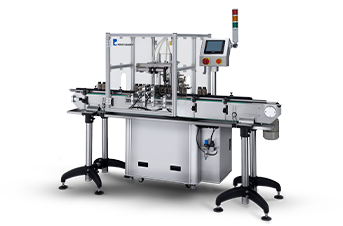
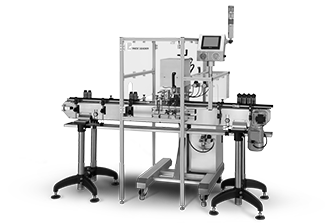
Semi-integrated packaging solutions bridge the gap between manual and fully automated production. It combines automated equipment for repetitive, precision-based tasks with human oversight for operations that require flexibility or judgment.

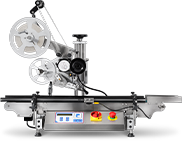
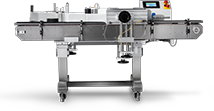
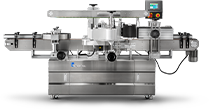
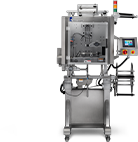
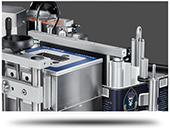
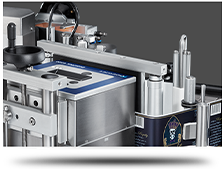
For example, instead of having employees hand-label every product, a semi-integrated line might use an automatic labeling system to apply labels consistently and efficiently. Workers then take on higher-level tasks, like quality checks, adjustments, or packaging preparation, where human input adds the most value.
This approach creates a hybrid workflow that gives manufacturers the best of both worlds:
- The speed and accuracy of packaging automation.
- The flexibility and adaptability of human operators.
Common examples of semi-integrated systems include:
- Labeling Stations: Automating product labeling to ensure accuracy and reduce waste.
- Capping and Filling: Equipment handles repetitive filling, tightening, and sealing while workers oversee quality control.
- Tray or Clamshell Denesting: Automated systems separate containers, preparing them for manual or automated filling.
Semi-integration allows companies to add packaging automation where it matters most without overhauling the entire line.
How Semi-Integrated Systems Help Manufacturers Cut Labor Costs
One of the benefits you’ll see first when switching to a semi-integrated line is a reduction in labor costs. By strategically automating repetitive tasks, you can cut down on the number of employees needed per line while improving overall throughput and consistency.
Here’s how semi-integration creates measurable labor savings:
- Fewer employees are required for repetitive tasks. Automation takes over manual functions like labeling, capping, or filling, allowing manufacturers to reassign team members to more productive roles.
- Reduced training requirements. Semi-integrated equipment, like Pack Leader USA labelers, is designed for user-friendly operation. Employees can learn setup and operation quickly, reducing training time and minimizing downtime when staff changes occur.
- Less rework and waste. Automated labeling ensures consistent placement and accuracy, drastically cutting down on misaligned or damaged labels that lead to product rework or rejection.
- Labor reallocation to higher-value work. By automating repetitive steps, you can shift labor toward areas that drive more value, like quality assurance, product development, or maintenance, rather than manual production tasks.
Semi-integration helps stabilize operations in a tight labor market. With fewer workers needed to manage repetitive tasks, you can better withstand staffing shortages and turnover. The consistency of automated processes also builds predictability into production schedules, making it easier to plan output and meet delivery timelines.
Over time, these efficiencies create measurable improvements in productivity and profitability. By striking the right balance between packaging automation and human oversight, semi-integrated lines give manufacturers the control they need.
What You Gain When You Choose Semi-Integrated Systems
While lowering labor costs is a major benefit, semi-integrated packaging solutions deliver several other advantages that help manufacturers strengthen their overall operations.
These systems are the foundation for consistency, agility, and long-term success. Semi-integrated systems give manufacturers a competitive edge that pure automation or manual work alone can’t achieve.

- Improved Accuracy and Consistency: Automation reduces the variability that comes with manual processes, ensuring every product meets the same high standard.
- Faster Turnaround Times: Equipment performs repetitive tasks faster and with fewer breaks, helping production lines meet tight deadlines and larger orders.
- Scalability for Future Growth: As your business grows, you can add new equipment or integrate additional automation components without replacing the entire system.
- Greater Flexibility: Semi-integrated systems keep human adaptability, allowing operators to make quick adjustments or handle product variations more easily.
Because of these benefits, semi-integrated lines are a great solution for manufacturers looking to modernize without losing operational control. They bridge the gap between cost savings and capability, giving production teams the confidence to innovate while staying efficient.
5 Steps to Introduce Semi-Integration Into Your Production Line
Transitioning to semi-integrated packaging solutions doesn’t have to be complex. By following a clear plan, you can integrate packaging automation strategically and minimize disruptions to current production.
.jpg?width=900&height=450&name=Blog_PackLeaderUSAPackagingLine_900x450%20(1).jpg)
- Evaluate your current processes.
Start by identifying repetitive, time-consuming tasks, like labeling or sealing, that could be automated for the biggest return. - Set clear goals and expectations.
Define what success looks like. Reduced labor hours, improved accuracy, or higher output? This helps you choose the best investment and equipment for your needs. - Choose the right equipment.
Select automated systems that fit your product type, speed requirements, and available space. For many companies, automating labeling first offers a quick ROI and a smoother transition into automation. - Ensure compatibility and scalability.
Choose systems that integrate with your existing line and allow for future expansion. Modular equipment can be added or upgraded as production needs evolve. - Train staff for new roles.
Instead of performing repetitive manual work, operators can focus on oversight, adjustments, and maintenance. This may even enhance job satisfaction and production quality.
Following these steps ensures your transition to semi-integration is efficient, controlled, and built for long-term success.
Find the Balance Between Efficiency and Flexibility
Rising labor costs and growing production demands are forcing manufacturers to rethink how they manage their operations. Fully manual systems can’t keep up with the pace, but full packaging automation isn’t always financially feasible.
Semi-integrated packaging solutions strike the perfect balance by automating repetitive tasks, like labeling and filling, while keeping human oversight for flexibility and quality assurance.
By taking a strategic approach, manufacturers can reduce labor costs, improve efficiency, and prepare their lines for future growth without overextending their budgets.
If you’re ready to explore how semi-integration can fit into your production line, schedule a labeling equipment consultation with our team. Our experts will help you identify the right equipment to streamline your processes, lower costs, and boost overall performance.




.webp?width=360&name=2x-color-logo%20(1).webp "2x-color-logo (1)")